



Leading European PET resin producer NEO Group has responded to growing regional PET demand with the inauguration of a new 160,000 tpa line at its Baltic plant at Klaipėda in Lithuania.
For packaging companies, bottle converters and buyers of PET preform tooling, the new line is more than a single capacity announcement. It adds supply to a material chain that starts with PET resin, moves through preform injection molding, and finally reaches stretch blow molding for water bottles, beverage bottles, cosmetic containers and other transparent packaging formats.
Why NEO Group's PET Capacity Expansion Matters
NEO Group's 160,000 tpa PET line in Klaipėda increased its available PET resin capacity for European packaging customers and strengthened Lithuania's position in the regional PET supply chain. For bottle and preform producers, the project matters because stable resin availability supports higher-volume production planning, shorter sourcing risk and more predictable packaging supply.
With the line's launch last month (June), overall output at NEO's port city site which operates two other PET units, will reach around 480,000tpa when the extra capacity is fully producing.
| Project item | Key detail | Why it matters for packaging buyers |
| New PET line | 160,000 tpa additional capacity | Improves resin availability for PET bottle, sheet and preform production |
| Plant location | Klaipėda, Lithuania | Port access can support export logistics across European and overseas packaging markets |
| Expected total output | Around 480,000 tpa when fully utilized | Gives converters a larger upstream resin base for long-term bottle and preform programs |
| Investment scale | Approximately €50m | Signals confidence in continued demand for PET packaging materials |
NEO Group's expansion project at the site in the city's Free Economic Zone (FEZ) has proved a cost effective option, leaving the company as one of Europe's second-largest and more competitive PET resin manufacturers.
The Klaipėda FEZ location is also relevant for downstream packaging production. PET resin buyers do not only compare price per tonne; they also care about delivery stability, resin grade consistency, port access and the ability to support repeat programs for beverage, food, personal care and household packaging.
New capacity will help reinforce Vilnius, Lithuania-based NEO Group's reputation "as a reliable international supplier", according to group chairman Paulinius Ambrazaitis.
"The new production line will further strengthen our (leading) position and we will be ready to meet the ever growing needs of the EU market. Increased capacity will (also) help us expand the geography of our sales," the chairman added.
From PET Resin Supply to Preform and Bottle Mold Planning
PET resin supply affects PET bottle mold projects because resin grade, intrinsic viscosity, drying control, preform weight and neck finish all influence how a preform fills, cools and stretches during bottle production. A stable resin source helps converters keep bottle clarity, wall thickness distribution and sealing performance consistent across high-volume runs. For a material reference, see this polyethylene terephthalate material background.
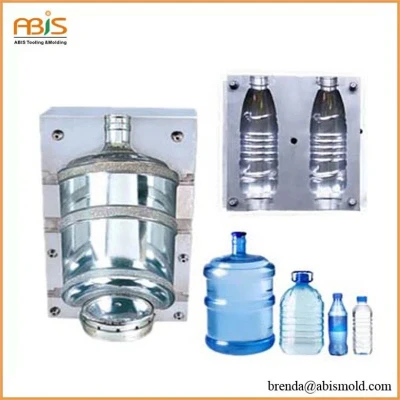
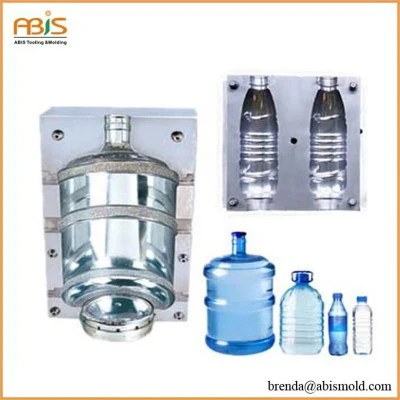
In a typical two-step PET bottle project, the preform is injection molded first and then reheated and blown into the final bottle shape. That means the bottle design, neck standard, preform weight, cavity number, hot runner balance and cooling layout should be reviewed together, not as separate decisions. Buyers developing water, beverage or cosmetic packaging can compare custom PET preform bottle mold solutions for water and beverage packaging before confirming a tooling plan.
For engineering teams, a PET resin expansion is useful only when the downstream tooling can turn material availability into stable output. The PET preform mold design process for hot-runner tooling is especially important when a project involves multiple cavities, tight neck dimensions, clear bottle appearance or high annual demand.
NEO's latest €50m capacity project has led to the provision of a further 35 jobs at the plant along with additional indirect employment in the area.
Once the extra PET capacity is fully utilised, the group expects its annual revenue to exceed €500m, of which €400m will represent export sales.
What Packaging Buyers Should Take From This Expansion
For PET bottle converters, the practical takeaway is to match resin sourcing with mold and machine planning. If a brand expects higher output after securing a more stable resin supply, the mold side must also support that target through proper cavity quantity, balanced filling, efficient cooling, stable venting and reliable neck finish control.
Bottle projects that move from pilot orders to mass production often need a different mold strategy. A small trial bottle may work with limited tooling, while a supermarket beverage line may require multiple preform cavities, precise blow mold cooling and repeatable inspection standards. For this stage, buyers can review PET bottle blow mold planning for supermarket packaging lines to understand how blow molding tooling choices affect output and bottle quality.
At the sustainable Klaipėda production site, NEO Group's two polyol manufacturing lines are integrated, making use of waste from the PET output as raw material. In 2014, a bio-boiler unit went into operation which has helped it lower annual CO2 emissions by 30,000 tonnes.
Sustainability, rPET and Bottle Design Considerations
PET is widely used in rigid packaging because it combines clarity, toughness, light weight and recyclability. For packaging designers, however, recyclability is not decided by resin alone. Bottle color, label material, adhesive, cap design, sleeve coverage and barrier additives can all influence whether a package is friendly to recycling systems. The PET package performance and recyclability guidance gives useful background for packaging teams evaluating PET material choices.
rPET is important for PET packaging because beverage and consumer goods brands are under pressure to reduce virgin plastic use while keeping bottle clarity, safety and processing stability. Recyclable bottle design, compatible labels, suitable caps and controlled material selection help recycled PET flow back into packaging applications with fewer quality problems. For European projects, the European PET bottle design and recycling guidelines are a useful reference when evaluating design changes before production.
NEO is investing in energy saving programmes allowing it to reduce electrical energy consumption by some 4 million kWs and water consumption by 20,000m3 per year, the firm in a statement this month announcing the expansion.
Checklist Before Starting a PET Bottle or Preform Mold Project
Before ordering a PET bottle or preform mold, buyers should confirm the target bottle volume, resin grade, preform weight, neck finish, cap matching requirement, cavity quantity, expected daily output, injection machine size and whether recycled PET content may be used in the future. These details determine mold structure, hot runner selection, cooling layout, steel choice, trial schedule and final cost.
- For a new brand package, start with bottle drawing, sample or reference picture.
- For an existing bottle, confirm whether the neck finish and cap system must remain unchanged.
- For high-volume production, calculate cavity quantity from required output and available machine capacity.
- For rPET-ready packaging, check color, label and cap choices before mold steel is cut.
If the project is still at concept stage, OEM/ODM mold development support for packaging projects can help connect DFM review, preform design, mold manufacturing and trial validation before the buyer commits to mass production tooling.
It is aiming to take advantage of the favourable investment climate to initiate further investment and development in Lithuania, NEO Group added.
FAQ: NEO Group PET Line and Packaging Manufacturing
Q: What does NEO Group's 160,000 tpa PET line mean?
A: It means NEO Group added a large-volume PET resin production line at its Klaipėda plant, increasing available supply for customers across packaging and related industries. For converters, the main value is more stable access to resin for preform, bottle and sheet production programs.
Q: How does PET resin affect bottle quality?
A: PET resin affects clarity, strength, processing stability, stretch behavior and final wall thickness distribution. If the resin grade, drying condition or intrinsic viscosity is not suitable for the bottle design, the converter may see haze, brittleness, uneven stretching or sealing problems.
Q: Is PET bottle production the same as ordinary injection molding?
A: No. PET bottle production usually involves preform injection molding followed by stretch blow molding. Ordinary injection molding makes solid or semi-solid parts directly, while PET bottle manufacturing first creates a thick preform and then stretches it into a thin-wall bottle. This difference is explained in this injection blow molding process comparison for precise bottle necks.
Q: What information should a buyer provide for a PET bottle mold quotation?
A: A buyer should provide bottle capacity, drawing or sample, resin type, preform weight, neck size, cap requirement, expected output, cavity quantity, machine model, surface requirement and target delivery date. With these details, the mold maker can evaluate the structure, cost and trial plan more accurately.