


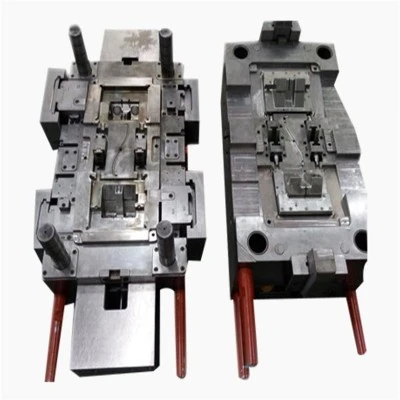
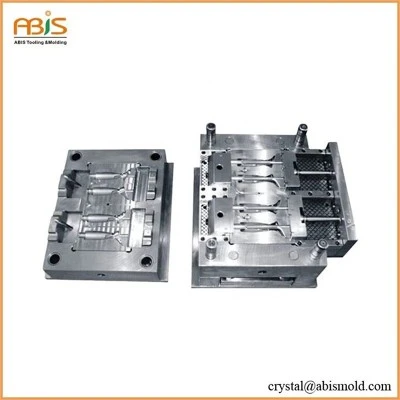



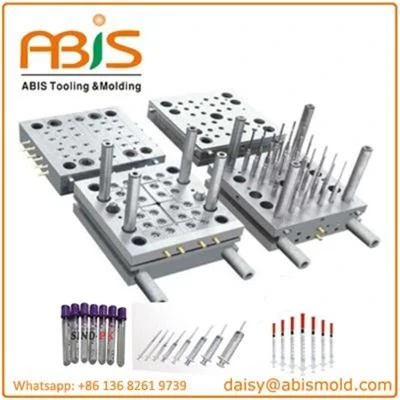
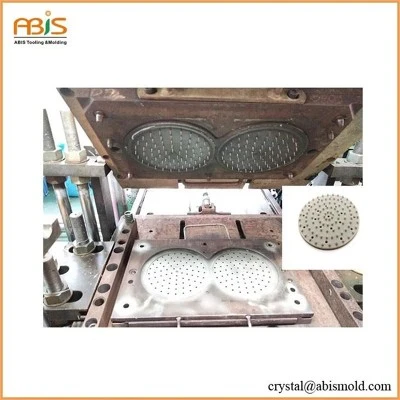


First, the classification of rubber mold
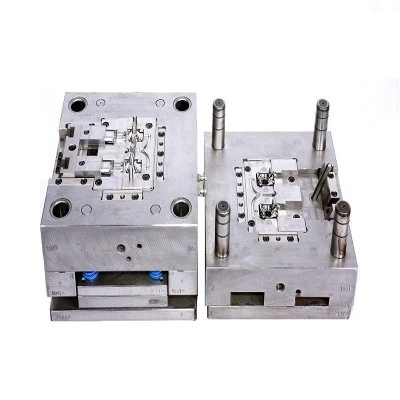
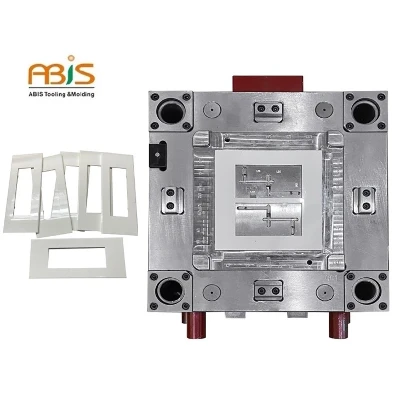
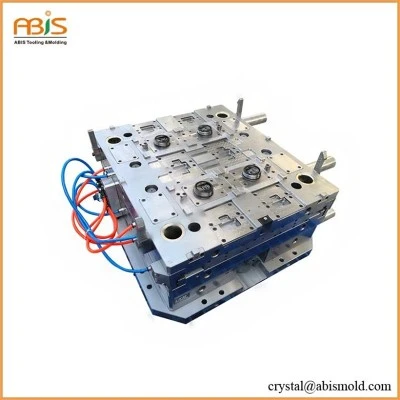
Rubber mold according to the mold structure and product production process is divided into: compression molding die, die-casting mold, injection molding die, extrusion die four commonly used mold, and some special rubber products, special rubber mold, such as inflatable mold, Dipping molds and so on.
1. Press the mold
Also known as ordinary die. It is the mixture, processed into a certain shape and weighing semi-finished products directly into the mold compound, and then into the flat vulcanizing machine pressure, heating. The compound is vulcanized under pressure and heat.
Features: mold structure is simple, versatile, wide use, easy to operate, so in the rubber molded products occupy a large proportion.
2. Die-casting mold
Also known as transfer mold or extrusion mold. It is to be mixed, the shape of a simple, limited amount of plastic or plastic pieces of semi-finished products into the die-casting mold cavity, through the pressure of the pressure plug extrusion material, and the compound through the pouring system into the mold cavity In the vulcanization stereotypes.
Features: Complex than the ordinary die, suitable for the production of ordinary molding can not suppress or barely suppressed thin-walled, slender and easy to bend the products, as well as the shape of complex, difficult to add rubber products. The use of this mold to produce products with good density, superior quality.
3. Injection molding mold
It is pre-heated into a plastic state of the compound by injection mold injection system into the mold stereotypes vulcanization.
Features: complex structure, suitable for large, thick, thin wall, the shape of complex products. Production efficiency, quality and stability, to achieve automated production.