



Over the past decade, the relationship between technology and process has dramatically reversed.Usually used to make small objects, figurines and prototypes, 3D printing is now used to build affordable housing in the construction industry.Artists and artisans across the creative field are embracing digital tools as a new medium for human expression.
According to 3ders.org, EDG, a New York architecture and engineering firm, has come up with a cost-effective way to bridge technology and technology: modern decoration: a new form of digital sculpture.The key is 3D printing.
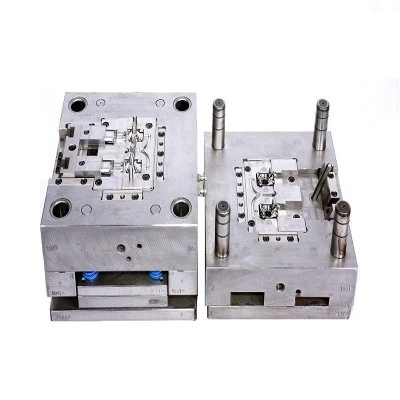
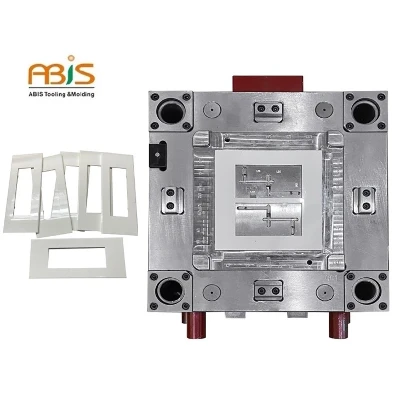
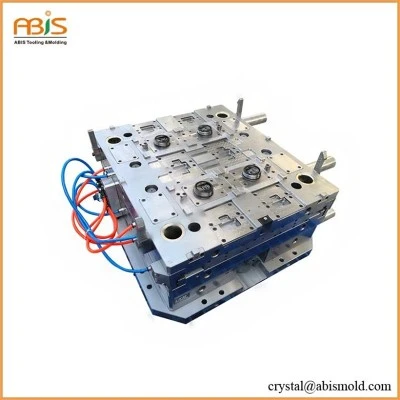
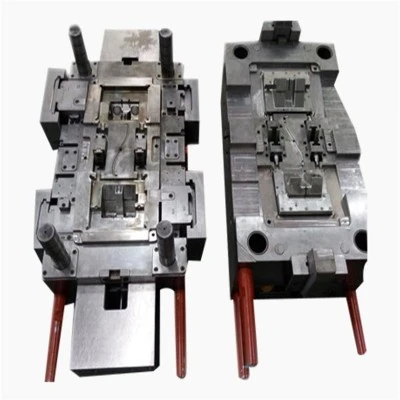
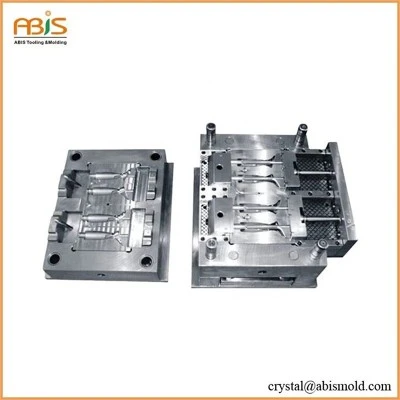
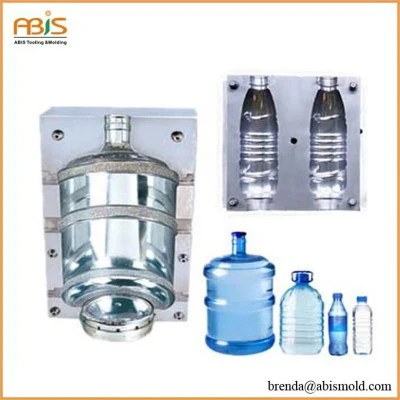
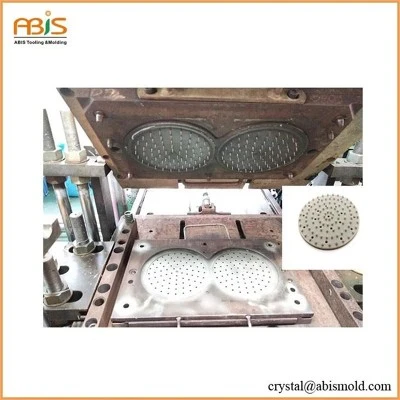
When developing modern decorative laser 3d scanning software, render software (such as 3DSMax and Rhino) and algorithmic modeling programs allow companies to easily recreate almost anything.Then, EDG selects suitable materials and 3D printing technology to make plastic mold.These will be used to make copies of architectural decorations.The team began using a small makerbotreenlightenment z18 prototype design.
"We focus on economical hollow plastic molds - full of standard and colored concrete.Through detailed experiments, we found the perfect balance of material cost, efficiency and strength to ensure that the mold can be easily copied."The company said.
The 3D printed plastic mold is inlaid with a laser-cut screen to provide reinforcement.The final prototype was made by VoxelJet using a VoxelJetVX10003D printer for casting molds and making them indoors with sika concrete.
It is reported that these decorations can be produced in one day.In addition, architects can easily reprint molds using stored part digital catalogs."If an element needs to be repaired or replaced, they can simply remove it from the building and re-print it on the same day and re-create it in the field."
The company was inspired by the demolition of 574 fifth avenue, a 1940 building with complex decorations that was dismantled because of the high cost of restoration.As EDG said, "it is still impossible to produce classical facades by modern means.Construction manual sculpture if it is not a lost art, is also a kind of extravagant luxury, laser cutting is still too expensive, and precast concrete creative limits - because of its capacity from the basic form of repetition.As a result, architects and developers are increasingly turning to restoring existing treasures that are in limited supply and often neglected."
Through their construction methods, the decoration can be designed and incorporated into the facade without exceeding the budget.JohnMeyer, founding and managing partner of EDG, said: "the project began with the simple goal of finding ways to save and restore the deteriorating architectural treasures of New York City and around the world."The natural beauty and rich history of these gems is disappearing as their repair costs become increasingly high.In recognition of the tragedy, these losses, like those at Penn station, will not be fully realized until after the fact, and we set out to create an economically efficient way to rebuild and repair.After achieving this goal, we also quickly realized that the convenience and accessibility of this construction method make the building facades have real seismicity.Drawing inspiration from classical styles, we transform these details into something modern and new."
This process will not only bring the forgotten hand into the modern age, but will democratize the design process, enabling practitioners from different fields to perform previously unimaginable tasks.
EDG is building a custom 3D printer for their future projects, including a multi-family project in Greenpoint, brooklyn.