





What Is Manifold?
Last month a guy called me about a mold he bought from China. Sixteen cavity cap mold. Beautiful work on the outside. He fires it up and six cavities won't fill. Checked the nozzles, checked the gates, everything looked fine. Pulled the manifold out and found the problem. The channels going to those six drops were drilled at 5mm. The other ten were at 8mm. Whoever machined that manifold just grabbed the wrong drill bit halfway through and nobody caught it.
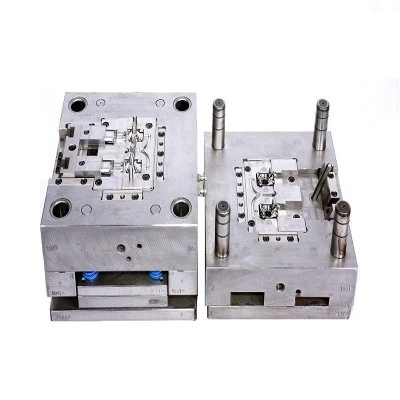
That's what a manifold does. It's the distribution block. Plastic comes in one hole, goes out many holes. Screw it up and nothing works right.

The Part Nobody Talks About
Guys spend forever picking out nozzle tips and gate styles. They'll argue about valve gates versus thermal gates until you want to walk out of the room. But the manifold sitting in between all that?
"Just make it work."
I've heard that from project engineers more times than I can count.
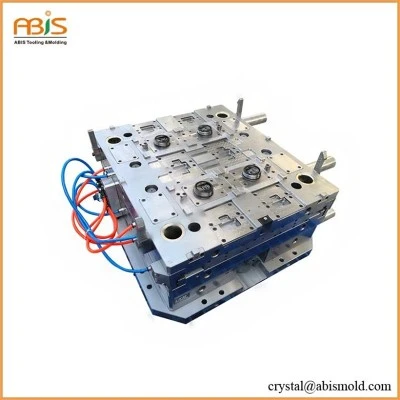
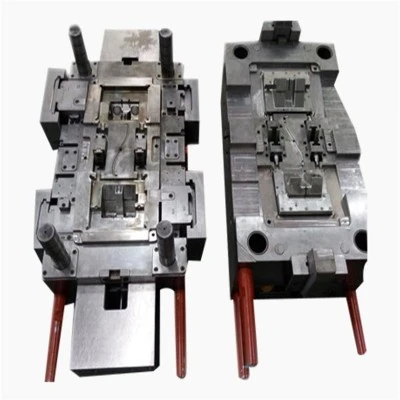
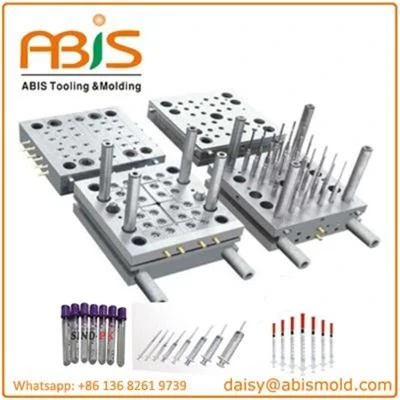
A manifold is a block of tool steel with holes drilled through it. That's it. H13 mostly. The holes connect your sprue bushing to your nozzle drops. Heaters keep the steel hot so the plastic stays melted while it travels through. Simple.
Except when it's not.
The channels inside have to be the right size for your shot weight. Too small and you're fighting pressure drop the whole way. Too big and material sits in there too long, cooks, turns to garbage. I ran a medical job years back where we kept getting black specks in clear PC parts. Drove everyone crazy for two weeks. Turned out the previous injection molding manifold supplier had oversized the channels for "better flow." Material was degrading in the extra residence time.
Switched to a properly sized manifold from Incoe and the problem disappeared overnight.
Hot Runner People Have Opinions
Talk to a Mold-Masters guy and he'll tell you externally heated manifolds are the only way to go. Cartridge heaters on the outside, heat conducts in. Clean flow channels with no obstructions.
Talk to an old Husky guy and he'll swear by internal heating. Heater right in the melt stream. Faster response. Better control.
They're both right. They're both wrong. Depends on what you're running.
I prefer external heating for most work. Less to go wrong inside the flow path. But I've seen internal heated systems run for years without issues on the right applications. Thin wall packaging, fast cycles, materials that don't mind a little extra shear. Any decent injection molding hot runner supplier carries both styles. Pick based on your process, not on what some sales guy is pushing that quarter.

Preload Will Bite You
Here's the thing that gets people. Steel expands when you heat it. A manifold that's 600mm wide at room temperature might be 601.5mm at running temperature. Doesn't sound like much until you realize all your seals depend on that expansion.
The manifold bolts down at its center. When it heats up it grows outward from that center point. The nozzles are sitting in pockets in the mold plates. At room temp there's a gap between the manifold face and the nozzle shoulder. Heat everything up and that gap closes. The manifold pushes against the nozzles. Metal to metal seal. No plastic leaks out.
Get the gap wrong cold and you're in trouble. I worked with an injection molding tooling vendor in Ohio who built beautiful molds but kept screwing up manifold preload calculations. Molds would come in, you'd heat them up, and plastic would be oozing out everywhere because the manifold wasn't making contact with the nozzles. Or the opposite problem-too tight cold, things heat up, and you're crushing nozzle seats.
Synventive publishes preload specs for all their systems. So does Mold-Masters. Read the manual. Do the math. Check it twice.
Steel Grades
H13 handles most jobs. It's what everybody uses. Holds up to thermal cycling, machines well, reasonable cost.
But if you're running PVC or anything with flame retardants, H13 will corrode. I've seen manifolds come out looking like swiss cheese after eighteen months on a FR-ABS job. Go with 420 stainless or S136 for anything corrosive. Costs more upfront. Saves money long term.
One thing I learned the hard way-if you're getting a manifold from an injection molding components manufacturer overseas, verify the steel grade. Get a cert. I've seen "H13" manifolds that were clearly not H13 based on how fast they wore out.
Channels and Flow
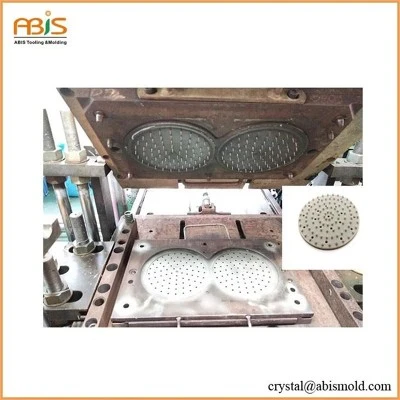
The internal channels get gun-drilled then honed. Should be smooth as glass in there. Any rough spots become places where material hangs up. Color changes take forever. Old degraded material flakes off and contaminates parts.
Channel diameter matters more than most people realize. The guys doing caps and closures run small channels, maybe 6-8mm. Automotive stuff with big shots needs bigger channels, 12mm, 14mm, sometimes more. Your injection molding mold repair service can tell you horror stories about manifolds that were speced wrong for the application and never ran right.
Flow balance is the other piece. In a naturally balanced manifold all the channels are the same length from inlet to each drop. Plastic gets to every cavity at the same time, same temperature, same pressure. Unbalanced manifolds have some channels longer than others. You can make them work with temperature adjustments but it's always a compromise.

When Stuff Breaks
Heaters die. Thermocouples drift. It happens.
- Cartridge heaters in a two-shift shop might last two years, maybe three. Internal heaters less. Keep spares. When a zone goes down you don't want to be waiting three weeks for parts.
- Thermocouple readings drift over time. The controller says 450°F but the actual steel might be 430°F or 470°F. Once a year pull the TCs and check them against a known reference. Cheap insurance.
The really bad failures are flow channel problems. Wear, corrosion, cracks. If you're running abrasive materials-glass filled, mineral filled-inspect the channels during major maintenance. A borescope works. So does pulling the manifold and sending it out for inspection. Catching wear early means you can get channels resleeved or repolished. Wait too long and you're buying a new manifold.
Buying Tips
Standard manifolds handle standard jobs. Four drop, eight drop, common configurations. Your supplier pulls one off the shelf, ships it out, done.
Custom work takes time. Weird cavity spacing, angled drops, valve gate systems, stack molds. Figure six to ten weeks lead time for custom manifold work. Don't find out you need one a month before your mold is supposed to ship.
And get the documentation. Channel sizes, heater specs, thermocouple locations, preload requirements, steel certs. You'll need all of it eventually. The shops that run trouble-free for years are the ones that keep good records.