







General classification of molds
Can be divided into plastic molds and non-plastic molds:
(1) Non-plastic molds include: casting molds, forging molds, stamping molds, and die casting molds.
A. Casting mold - faucet, pig iron platform
B. Forging die - crankshaft, connecting rod
C. Stamping Dies - Automotive Body Covers, Computer Panels
D. Die casting mold - super alloy, cylinder block
(2) Plastic molds are divided into:
A. Injection Molding - TV Case, Keyboard Buttons (Applications Most Common)
B. Blowing mold - beverage bottle
C. Compression Mold - Bakelite Switch, Scientific Porcelain Dishes
D. Transfer Molding - Integrated Circuit Products
E. Extrusion molds - glue pipes, plastic bags
F. Thermoforming molds - transparent molded packaging shell
G. Rotary Molding  - Soft Rubber Doll Toy
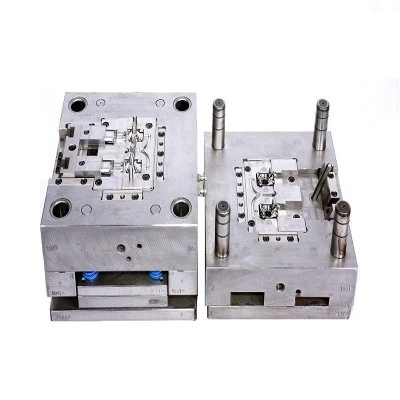
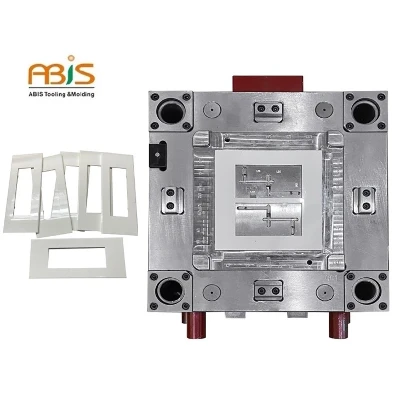
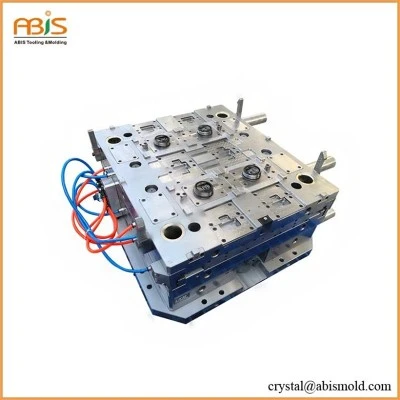
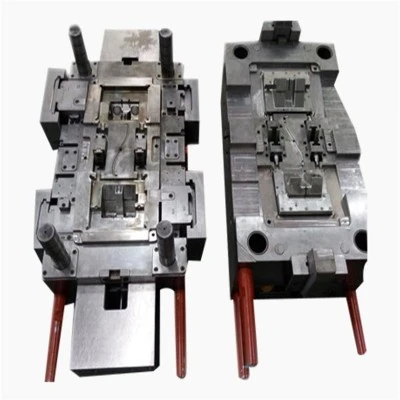
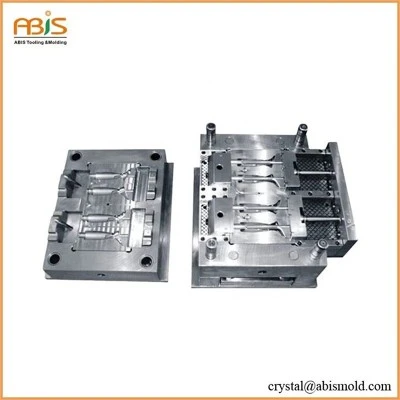
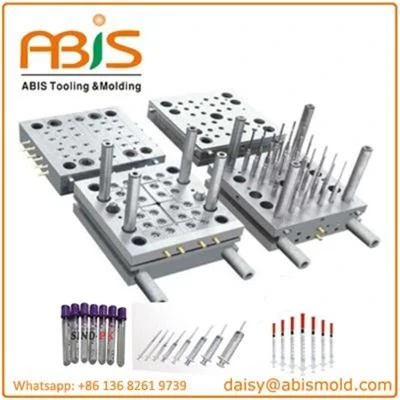
◆ Injection molding is the most commonly used method in plastics processing. This method is applicable to all thermoplastics and partially thermosets. The large number of plastics obtained is beyond the scope of other molding methods. As one of the main tools for injection molding, the injection molds are used in mass accuracy, manufacturing cycle and injection molding. The level of production efficiency in C
hina and other countries directly affects the quality, output, cost, and product renewal of products, and at the same time, it also determines the ability and speed of enterprises to respond to market competition.