

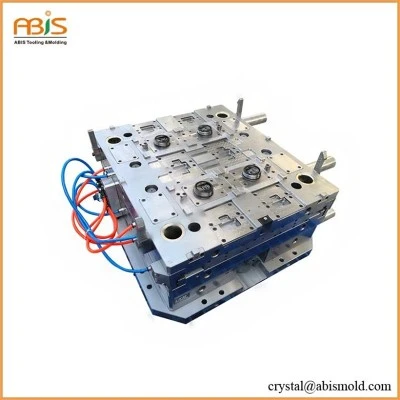



(1) Hot Runner Mould
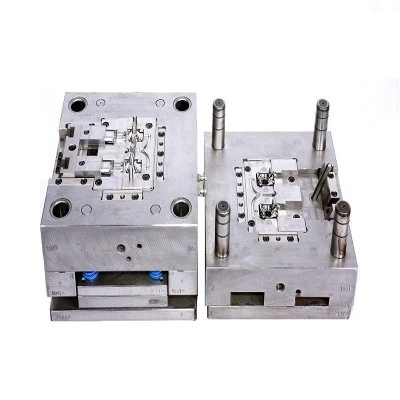
With the aid of the heating device, the plastic in the gating system will not solidify, and will not be released from the product, so it is also called a non-runner mold. Advantages: 1) No waste 2) Can reduce the injection pressure, can use multi-cavity mold 3) Can shorten the molding cycle 4) Improve the quality of products Suitable for hot runner molding compound features: 5) Plastic melting temperature range is wider. At low temperatures, the fluidity is good, and at high temperatures, it has good thermal stability. 6) Sensitive to pressure, no pressure and no flow, but it can flow when pressure is applied. 7) The specific heat is good so that it can be quickly cooled in the mold. Available hot runner plastics are PE, ABS, POM, PC, HIPS, PS. There are two kinds of hot runners commonly used: 1) heating runner molds 2) insulated runner molds.
(2) Hard Die
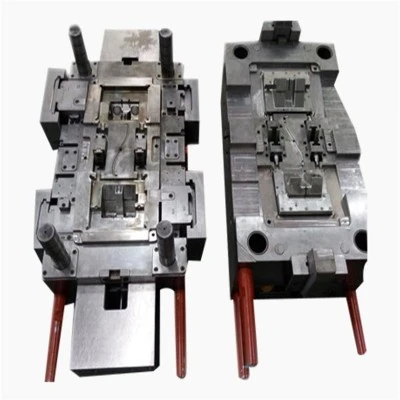
The steel plate used in the inner module needs to be heat-treated after being bought back, such as quenching and carburizing, so as to meet the requirements for use. Such an injection mold is called a hard mold. For example, the inner mold adopts H13 steel, 420 steel, and S7 steel.
(3) Soft mode (below 44HRC)
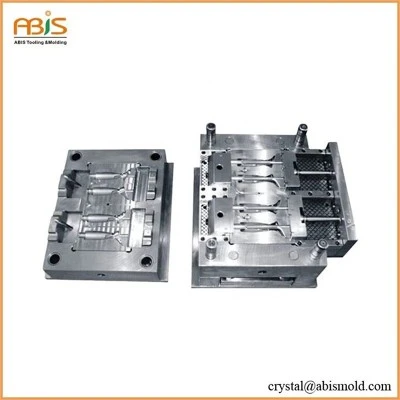
The steel used for the inner module can be used without requiring heat treatment after it is bought. This injection is called soft mold. For example, P20 steel, ace steel, 420 steel, NAK80, aluminum, and beryllium copper are used for the inner modules.