









Basic features of die machining
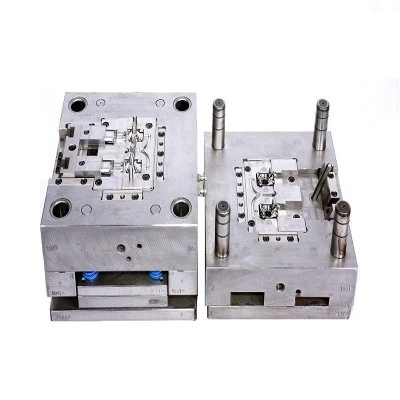
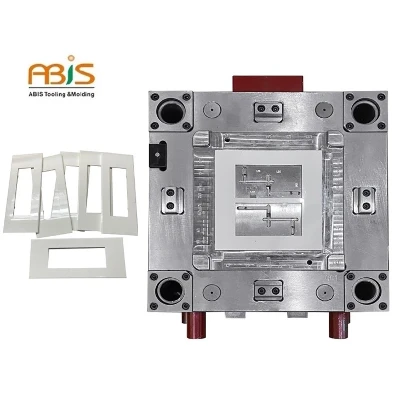
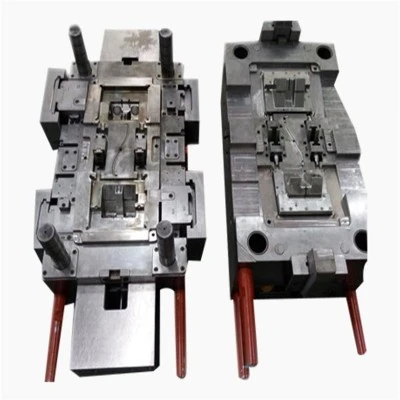
(1) high requirements for machining accuracy: a set of molds is generally composed of a die, a die and a die frame, and some may be composed of multiple piecing modules.Therefore, the combination of upper and lower die, the combination of insert and cavity, and the assembly between modules all require high machining accuracy.Precision mold size accuracy is usually up to the stage of clearance m.
(2) complex shape: some products, such as automobile cover, aircraft parts, toys, and household appliances, have a combination of various curved surfaces. Therefore, the mold cavity surface is very complex.Some surfaces must be dealt with mathematically.
(3) small batch: the production of molds is not mass production and batch production. In many cases, only one batch is produced.
(4) multiple processes: various processes such as milling, boring, drilling, hinge and tapping should always be used in mold processing.
(5) repetitive production: the use of molds has a life span.When a die is used beyond its life, a new die must be replaced, so die production is often repetitive.
(6) copying: sometimes there is no pattern or data in mold production, and copying shall be done according to the real object.This requires high imitation precision and no deformation.
(7) excellent mold materials and high hardness: the main materials of the mold are mostly made of high quality alloy steel, especially the mold with high service life. Crl2, CrWMn and other lysitic steel are often used for manufacturing.This kind of steel from rough forging, processing and heat treatment are strict requirements.Therefore, the preparation of processing technology should not be ignored, heat treatment deformation is also a serious problem in processing.