

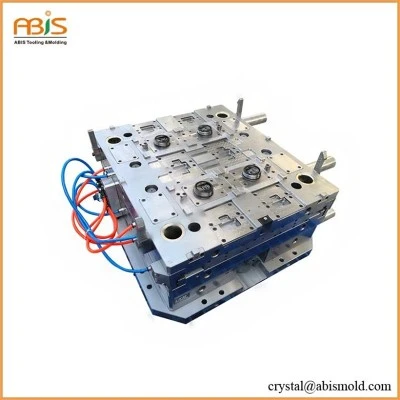
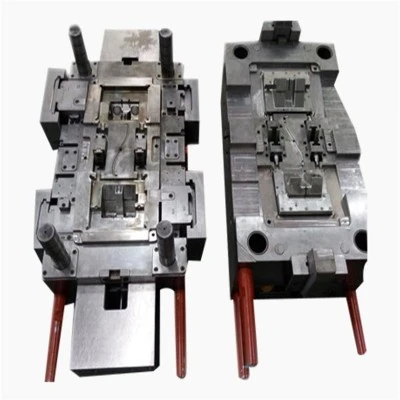
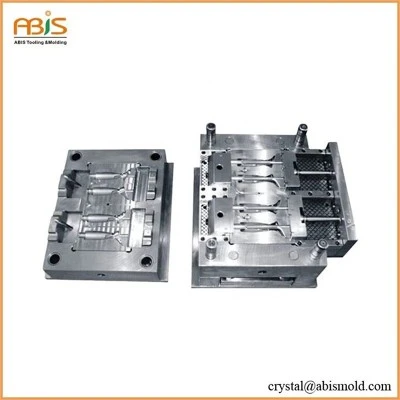
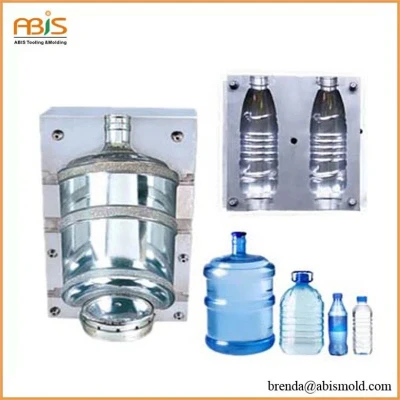



From November 10–13, our team will be in Mexico City to meet manufacturers, product developers, and sourcing professionals exploring new plastic injection mold and molding projects. Visit us at Booth 2854, Centro Banamex, to introduce your application, discuss manufacturing requirements, and explore possible next steps with ABIS.
Whether you are preparing a new plastic component for tooling, reviewing an established product for production, or assessing a potential manufacturing partner, a face-to-face conversation can help identify the questions that matter before a formal quotation begins. We look forward to connecting with businesses across Mexico, Latin America, North America, and the wider plastics industry.
PLASTIMAGEN MEXICO 2026: Find ABIS at Booth 2854
- Event: PLASTIMAGEN MEXICO 2026
- Dates: November 10–13, 2026
- Venue: Centro Banamex, Mexico City, Mexico
- Exhibitor: ABIS Mold Technology
- Booth: 2854
PLASTIMAGEN brings together organizations working in plastics processing, machinery, materials, tooling, and related manufacturing technologies. For ABIS, the exhibition is an opportunity to meet people whose plastic-part projects involve decisions about tool design, material behavior, manufacturability, part quality, and production planning. You can verify event information through the official PLASTIMAGEN website and find ABIS in the exhibitor directory.

Why Meet ABIS at the Exhibition?
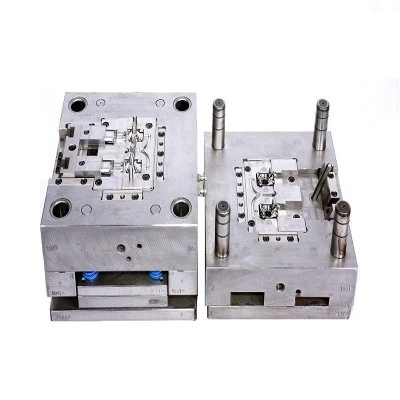
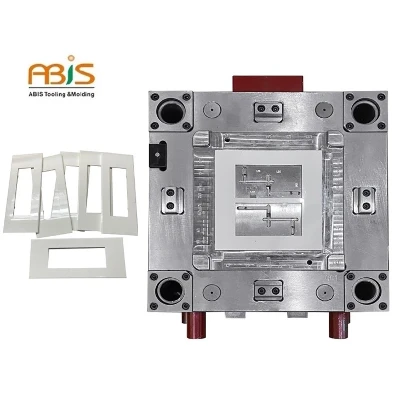
Industrial buyers do not select a mold supplier based on a product photograph alone. They need to understand how a manufacturer approaches the part's geometry, expected production quantity, tooling complexity, inspection needs, and the transition from prototype to repeatable output. ABIS focuses on custom plastic injection molds, injection molding, and related OEM/ODM manufacturing support.
At Booth 2854, the conversation can begin with your specific project rather than a general sales presentation. A product engineer might want to discuss draft, ribs, wall-thickness transitions, and assembly fit. A purchasing manager may be comparing tooling scope, part price assumptions, project coordination, and supplier responsibilities. A company planning to launch a new product may need to understand which inputs are required for an informed feasibility review.
Our objective is to make those discussions practical. Early questions do not always lead to instant answers; some decisions require drawings, resin information, process review, or trial data. A useful first meeting should clarify what needs to be checked and who will follow up after the exhibition.
Custom Injection Mold Development: Think Beyond the First Sample
A new injection mold is more than a machined steel assembly. It connects a part design to a manufacturing process that must repeatedly produce acceptable components. Before detailed tool construction, manufacturers normally need to consider the part's intended function, its critical dimensions, the selected resin, cosmetic requirements, expected volume, and production environment.
Common engineering questions include where the parting line should fall, how the part will be ejected, whether side actions are needed, and how the gate location could affect visible surfaces or part performance. Cooling, venting, and anticipated shrinkage also influence tool design. Those choices are interdependent: a change that simplifies tooling may affect the molded part, while a part-design adjustment can sometimes remove a difficult feature from the mold.
ABIS works in mold design and manufacturing, with supporting machining and project-development services described on its website. For businesses evaluating a new project, our OEM/ODM services provide context on the broader path from design inputs to tooling and production. At the show, visitors can use their own drawings, samples, or requirements as a starting point for discussing that path.

Plastic Injection Molding: Planning for Consistent Production
Producing a successful trial sample and preparing for routine manufacturing are related but different tasks. A sample demonstrates that a part can be formed under particular conditions; repeat production requires an appropriate process window, material control, defined acceptance criteria, and a plan for monitoring problems as production continues.
For example, a visible sink mark could involve the relationship between part geometry, packing, cooling, and resin behavior. Warpage may require consideration of material shrinkage, part geometry, mold temperature distribution, and process settings. Flash and short shots lead to different diagnostic paths. It would be misleading to attribute any of these defects to one universal cause without reviewing the actual part and process.
When discussing a molding project with ABIS, visitors can outline the intended operating environment, target annual quantity, critical dimensions, cosmetic surfaces, and how finished parts will be assembled or inspected. These details help distinguish a preliminary manufacturing conversation from a quotation based on incomplete assumptions.
ABIS also presents secondary operations and assembly within its manufacturing portfolio. If your project needs more than an individual molded component, it is useful to identify the intended deliverable early: a production mold, molded parts, or a part that requires additional finishing or assembly.
Specialized Molding Projects: Inserts, Overmolding, and Two-Shot Designs
Some plastic components combine different materials or functional features. Insert molding, for example, can incorporate a prepared metal or other insert into a molded part; overmolding forms an additional layer or feature around an existing substrate; and two-shot molding is used for certain multi-material or multi-color designs. These options serve different purposes and are not interchangeable by default.
Potential discussion points include how an insert will be located and supported during molding, whether bonding or mechanical retention is needed, how material compatibility affects a proposed design, and what part geometry means for tooling complexity. The best choice depends on the application, selected materials, part quantities, and available manufacturing route.
ABIS lists two-shot and overmolding-related tooling among its product categories. If your team is deciding whether a multi-material concept is practical, bring a drawing that identifies the materials, interfaces, and expected functional requirements. That gives the discussion a more useful technical basis.
Who Should Visit ABIS at PLASTIMAGEN Mexico?
OEM and brand-owner teams developing new housings, functional plastic parts, or customized assemblies can discuss how product requirements translate into a manufacturing scope. Design and R&D engineers may want to compare alternative mold concepts or identify features likely to complicate molding. Procurement and supply-chain teams can explore supplier fit, project documentation, quotation requirements, communication practices, and the distinction between tooling and recurring part-production costs.
Typical application conversations may involve automotive plastic components, electronics housings, consumer products, appliances, and industrial equipment parts. The required manufacturing method and quality documentation should always be assessed for the specific application. An industry label alone does not establish that a part is suitable for a regulated or safety-critical use.

Bring the Right Information for a Productive Conversation
You do not need a fully finalized design to introduce a project. However, providing the available details can make it easier to establish realistic next steps. If you already have a CAD model or drawings, identify the latest revision and any dimensions or features that cannot change. If the design is still at concept stage, describe the part's intended function, installation, and important interfaces instead.
It also helps to know the preferred material or the performance requirements driving material selection; expected annual volume and initial order size; surface appearance requirements; the target project schedule; and whether you need a mold only or ongoing molded-part supply. If the part currently has a defect, a clear photograph and a description of when the problem appears are often more useful than a generic statement that quality needs improvement.
For sensitive information, visitors can first share a non-confidential summary and discuss an appropriate method for submitting technical files directly with the ABIS contact team. There is no need to distribute proprietary drawings publicly or through an exhibition social-media post.
What Happens After the Initial Discussion?
A trade-show meeting is a useful beginning, not a substitute for engineering verification. Depending on project maturity, a sensible follow-up may involve collecting missing specifications, reviewing the manufacturability of a proposed design, clarifying production and inspection responsibilities, or preparing a quotation once the scope is sufficiently defined.
For new tooling, the parties may need to align on tool ownership, expected production quantity, part acceptance criteria, sample review, and any later engineering changes. For a transfer or improvement project, useful inputs may include the existing tool condition, current defects, applicable drawings, and what a successful change would look like. For ongoing molded-part supply, packaging, traceability, forecast flexibility, and delivery requirements may also be relevant.
These are topics to address as appropriate, not promises that every analysis, measurement, quotation, or technical decision can be completed on the exhibition floor. Where detailed review is necessary, the next action should be clearly agreed after the initial contact.
About ABIS Mold Technology
ABIS Mold Technology is based in Shenzhen, China, and describes its work in custom mold development, plastic injection molding, and associated precision manufacturing services. Its website presents a workflow covering design input, tooling, molding, secondary processing, and assembly support. Learn more about the company through the ABIS company profile.
PLASTIMAGEN MEXICO 2026 provides a chance to put that manufacturing conversation in a face-to-face setting. We welcome conversations with current partners, prospective customers, product teams, and sourcing professionals exploring their next mold or plastic-part project.
Meet ABIS at Booth 2854 - Contact Us Before the Show
Planning to attend PLASTIMAGEN? Visit Booth 2854 at Centro Banamex, Mexico City, November 10–13, 2026. To request a meeting, send a short message with your company, project type, preferred day, and best contact details. If you cannot attend, you can still contact the ABIS team to discuss a project remotely.
Exhibition contact: kelly@abismold.com
WhatsApp: +86 137 5101 7242
General inquiry: Contact ABIS Mold
We look forward to meeting you in Mexico City and learning about the manufacturing challenge behind your next product.